
Chronic inflammation is often described as a "silent killer," fueling some of the world’s most debilitating conditions, from Rheumatoid Arthritis and Lupus to Inflammatory Bowel Disease (IBD). While traditional treatments like steroids and biologics exist, they often come with a heavy price: systemic side effects that weaken the entire immune system.
In a landmark study published in Communications Biology (Nature Portfolio), researchers at Ahmedabad University have developed a cutting-edge nanocarrier system that delivers therapy exactly where it’s needed, leaving healthy cells untouched.
Table of Contents
The Problem: The "Inflammatory Loop"
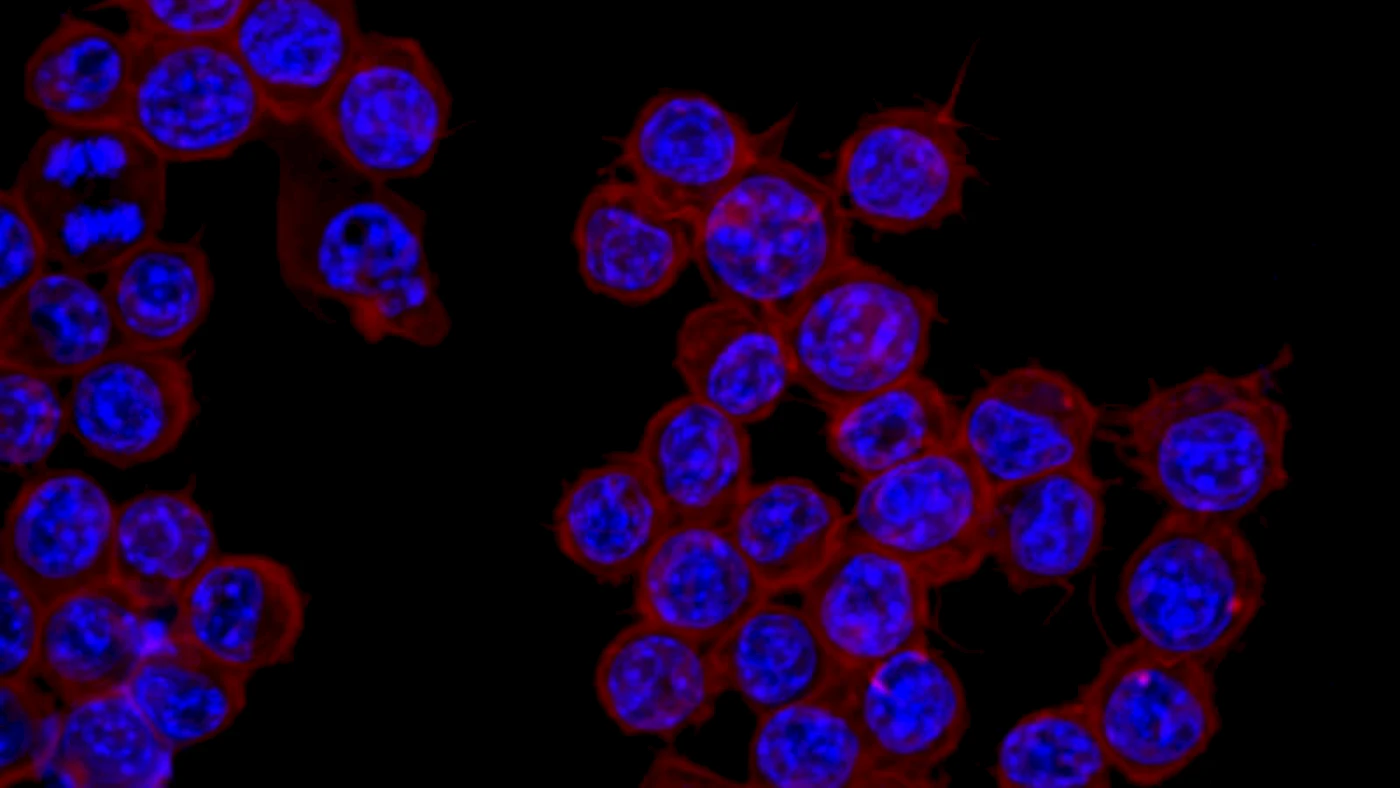
At the heart of chronic inflammation are macrophages, the immune system's front-line defenders. When these cells become overactive, they enter a pro-inflammatory state, releasing a "storm" of cytokines (proteins) that recruit even more immune cells. This creates a vicious cycle of persistent inflammation and tissue damage.
Current biologics work by blocking these cytokines after they are released into the bloodstream. However, this "shotgun" approach suppresses immunity system-wide, making patients vulnerable to infections and long-term organ damage.
The Solution: SIL Nanotherapy
A team led by Professor Ashutosh Kumar, along with scholars Haly Shukla, Simran Nasra, and Milonee Patel, has engineered a targeted delivery platform known as siIL-1β-anti-CD44-Liposomes (SIL).
This smart delivery system works on three sophisticated levels:
Remarkable Research Results
The preclinical findings of the study are nothing short of transformative:
The Future of RNA Therapeutics
The stability of this nanocarrier is another major win. While most RNA therapies struggle with shelf-life, these liposomes remained stable for over 10 months and showed an encapsulation efficiency of 97%.
While further clinical trials are needed, this breakthrough at Ahmedabad University establishes a clear "proof of concept" for a new era of precision medicine. It offers hope for millions who currently struggle with the trade-off between managing their chronic pain and maintaining a healthy immune system.


