
When we talk about resistance in the workplace, we usually picture massive strikes, carrying placards, or high-stakes court battles. But true resistance doesn’t always make a loud scene. Sometimes, it operates quietly and strategically in the margins.
Look no further than the bustling streets of Gujarat, where autorickshaw drivers in Ahmedabad are quietly staging a revolution against the rigid algorithms of tech giants. Far from being passive victims caught in the web of digital disruption, these drivers are actively outsmarting the system, rewriting what it means to be a modern gig worker.
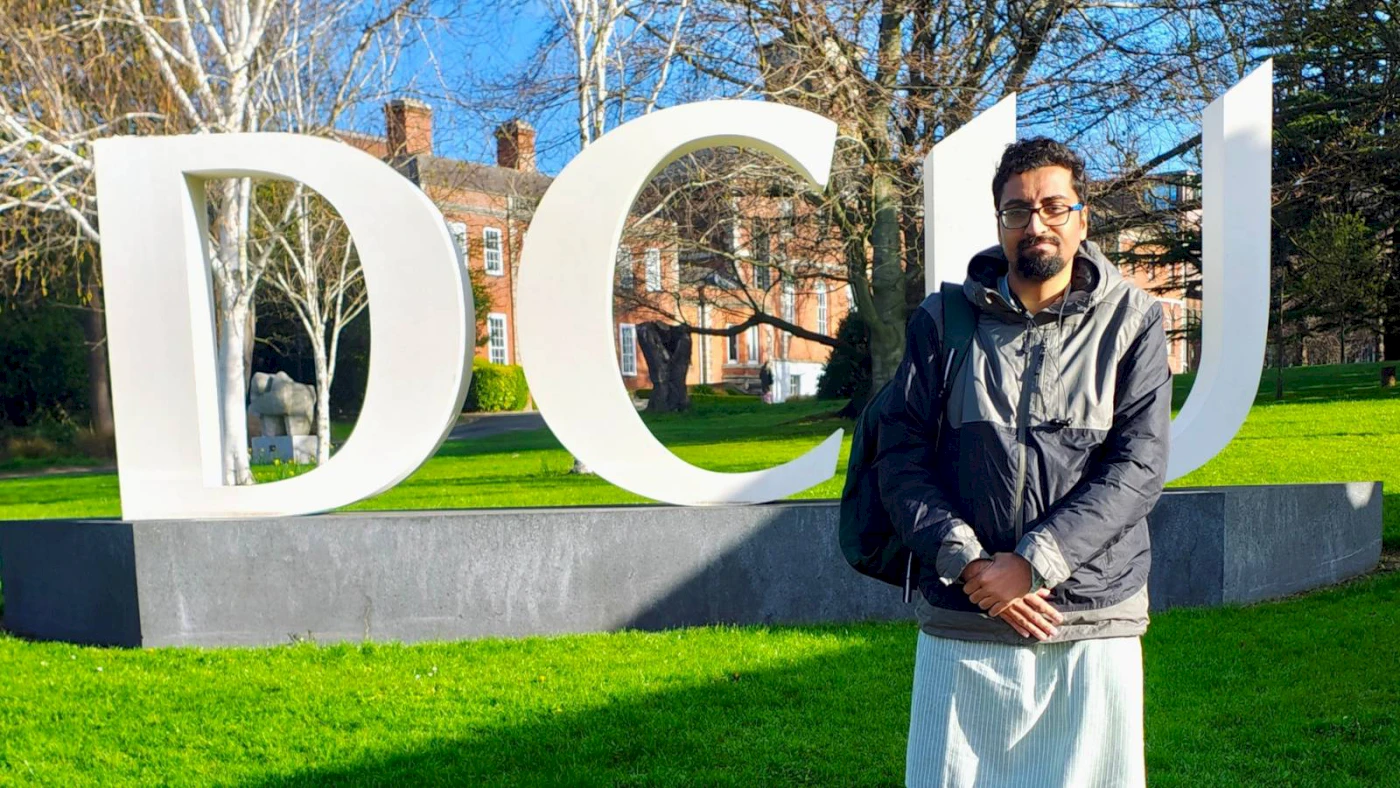
This ground-level reality is the focus of a groundbreaking research paper by Satya Oza, a doctoral student at Ahmedabad University. Presented at the 9th Annual South Asia Conference at Dublin City University, the study offers a raw, humanized look into how traditional transport workers are pushing back against predatory corporate technology.
Table of Contents
The Dark Side of App-Based Ride-Hailing Platforms
The conversation around the gig economy in India usually praises the unparalleled convenience offered by app-based ride-hailing aggregators. For commuters, it’s a seamless click; for tech giants, it's a goldmine of data.
However, beneath this glossy exterior lies an increasingly volatile reality for the drivers. Across India’s major metropolitan hubs, gig workers face:
- Plummeting daily incomes and erratic corporate incentives.
- Heavy financial precarity due to volatile fuel prices and rising commission rates.
- A complete dependence on opaque, unforgiving algorithmic management systems.
For over six decades, Ahmedabad’s traditional autorickshaw network has been the lifeblood of intermediate public transit. Today, it stands at a critical crossroads, battling a surge in driver numbers, strict state regulations, changing urban spaces, and aggressive corporate tech platforms fighting for market dominance.
Mastering the Game: What is "Disaggregated Agency"?
The mainstream media often portrays gig workers as powerless cogs trapped in a digital machine. However, Satya Oza’s ethnographical fieldwork conducted through interviews and long rides side-by-side with the drivers paints a starkly different picture.
Utilizing the academic framework of "disaggregated agency" formulated by geographer Cindi Katz, the research divides driver behavior into three vital survival mechanisms: resistance, reworking, and resilience.
Why Technology Alone Doesn't Win: The Role of Local Politics
The study throws light on another critical element that Silicon Valley often overlooks: local infrastructure and socio-political dynamics.
Ahmedabad's autorickshaw ecosystem is incredibly diverse and politically fragmented, housing at least eleven separate driver unions. Each union boasts distinct political ties and unique leadership hierarchies.
This complex socio-political web explains why many highly funded mobility startups struggle to expand in the region. If a new digital venture pairs up with one union faction, it instantly faces intense boycotts from the others. In Ahmedabad, the success of a business isn't dictated by the sophistication of its codebase; it’s determined by local, grassroots politics.
Empowering Change Through Rigorous Research
Satya Oza’s illuminating insights earned international spotlight thanks to the Rasila Kadia Excellence in Research Award provided by Ahmedabad University. The institution remains committed to funding impactful, real-world doctoral research by supporting international conferences, contingency grants, and global academic dialogue.
Ultimately, this study serves as a powerful reminder that the human spirit cannot be easily programmed. Algorithms can set rules, but the sheer resilience of India’s working class ensures they will always find a way to navigate the bumpy road on their own terms.


