
The 1991 economic reforms were supposed to be the "Great Liberator" for India. The promise was simple: education, merit, and market mobility would eventually dissolve the rigid shackles of traditional social constraints. Fast forward over three decades, and the reality for India’s Gen Z and Millennials is far more complex than a simple "rags-to-riches" or "tradition-to-modernity" story.
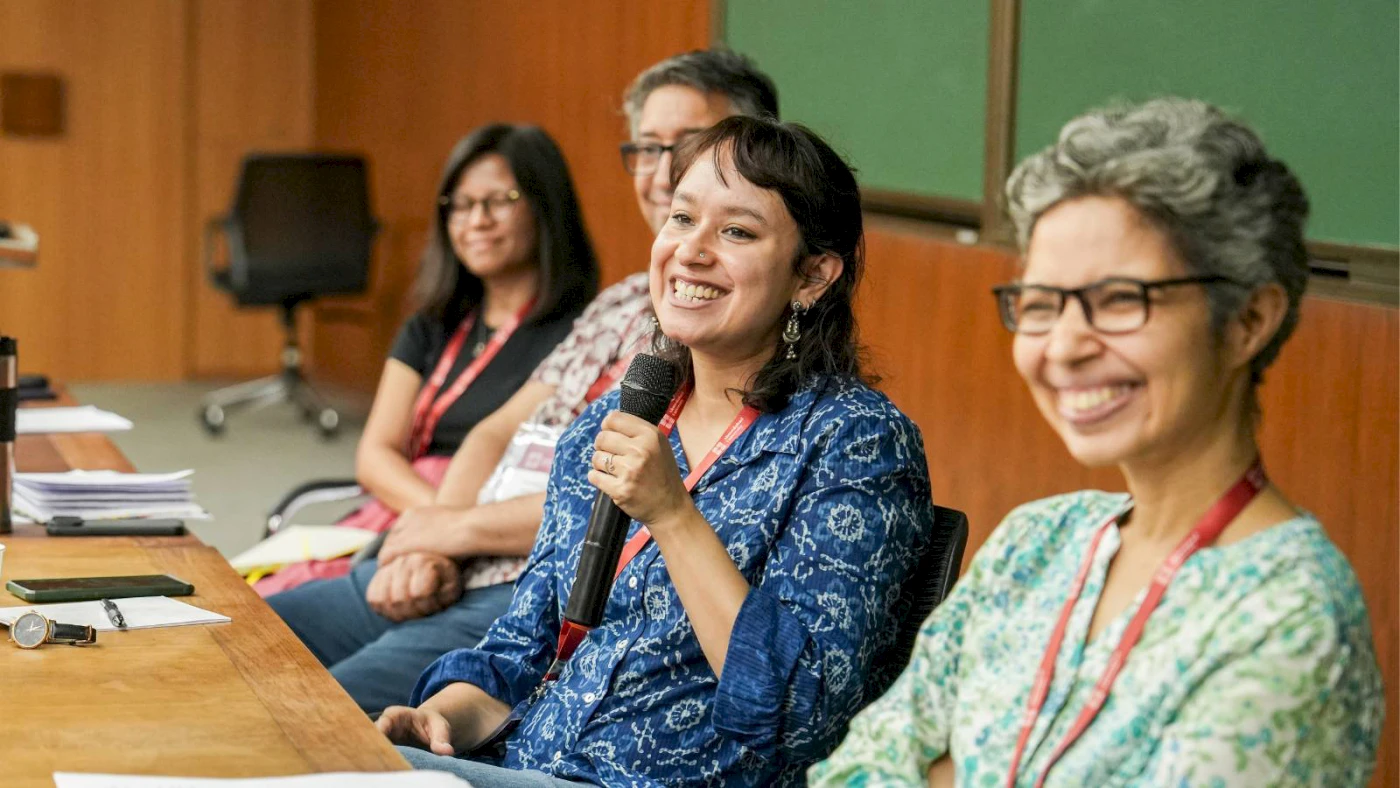
Recent discussions at Ahmedabad University’s international seminar, "Emerging Geographies of Youth in Post-Liberalisation India," have shed new light on this struggle. Led by experts like Professor Mona Mehta, the seminar explored how young Indians are not just inheriting freedom, but actively and often painfully negotiating it.
Table of Contents
The Illusion of the "Caste-Free" Market
One of the most striking takeaways from the seminar is that consumerism has not killed caste. In fact, it might be making it more visible. In states like Gujarat, weddings have become a primary stage for this tension. While young couples embrace modern consumer aspirations, elaborate decor, designer wear, and high-end photography, they often do so within the tightening grip of "caste constitutions."
These documents, drafted by community elders, act as reformist tools but often reinforce conservative norms. They might ban DJ music or limit spending to keep costs down, but they simultaneously tighten rules on endogamy (marrying within the caste).
Professor Mehta points out a fascinating "selective freedom":
- The "Yes": Youth demand freedom in lifestyle, fashion, and consumption.
- The "Wait": They often continue to accept the structural boundaries of caste-based marriage and community identity.
Navigating the New Inequality
Liberalisation opened doors, but it also built new walls. The seminar highlighted how young people from marginalized backgrounds navigate the "urban precarity" of modern India. While state support like scholarships and hostels provides a foot in the door of higher education, the lived experience remains one of negotiation.
Migration, once seen as a pure escape from rural hierarchy, often exposes youth to new forms of urban inequality and housing challenges. For young women from socially disadvantaged communities, these barriers are even higher, as they face gendered restrictions that dictate how far their "freedom" can actually go.
The Pressure to Perform: A Generation in Search of Identity
In a standout "Youth Voices" panel, students from Ahmedabad University spoke candidly about the intense pressure to define a "successful" career path almost immediately. In a hyper-competitive post-liberalisation economy, the fear of falling behind is a constant shadow.
The conversations revealed a generation navigating three major shifts:
The Verdict: Reshaping the Future
India is currently home to the world’s largest youth population. This demographic isn't just a "dividend" for the GDP; it is a living laboratory of social change.
As these young people negotiate their way through education, work, and marriage, they aren't just following a blueprint laid out in 1991. They are resisting old inequalities, reshaping existing hierarchies, and creating entirely new meanings for what it means to be "free" in modern India.


