Deccan College of Engineering and Technology (DCET) in Hyderabad stands as a notable institution in India's technical education landscape, established in 1984 and affiliated with Osmania University. With a focus on fostering industry-ready professionals, DCET's placement ecosystem reflects both regional engineering trends and institutional strengths. While core branches like Civil Engineering show moderate outcomes, computer-related disciplines demonstrate robust recruitment, driven by Hyderabad's thriving tech sector. The college maintains a dedicated placement cell that bridges academia and industry through structured training, recruiter partnerships, and skill-development initiatives, aiming to elevate graduate employability across diverse engineering domains.
Table of Contents
DCET Placement Overview
| Branch/Course | Average Package (INR) | Highest Package (INR) | % Placed | College Average Placement (INR) | Student Review on Placement Data |
| Civil Engineering | 3.5 LPA | 6 LPA | 60% | 4.5 LPA | Placements are average for core branches |
| Computer Science and Engineering | 5 LPA | 12 LPA | 80% | 4.5 LPA | Good tech companies recruit from campus |
| Information Technology | - | - | - | 4.5 LPA | - |
DCET Analysis of Placement Trends
- Computer Science Dominance: Computer Science and Engineering (CSE) leads DCET’s placement performance, with an 80% placement rate and a highest package of INR 12 LPA. This aligns with national trends, where IT and software roles dominate campus recruitment due to high industry demand. Students highlight consistent recruitment by technology firms, though specific company names remain undisclosed in available data.
- Core Engineering Challenges: Civil Engineering reports a 60% placement rate, with an average package of INR 3.5 LPA. Student feedback indicates average outcomes for core branches, reflecting broader sectoral challenges in infrastructure and manufacturing. Opportunities here often depend on project-based hiring or public-sector exams, requiring supplementary student initiative beyond campus drives.
- Institutional Benchmarks: The college-wide average placement stands at INR 4.5 LPA, suggesting balanced opportunities across branches. However, incomplete data for Information Technology limits branch-specific insights. Cross-disciplinary initiatives such as workshops on emerging technologies aim to bridge skill gaps and enhance competitiveness.
DCET Placement Process and Support
DCET’s structured placement cycle includes pre-placement training, internship facilitation, and multi-tiered recruitment drives. The placement cell collaborates with companies to design role-specific assessments, prioritizing practical skills through labs and industry projects. Mentorship programs focus on resume building, communication skills, and technical mock interviews, preparing students for diverse selection processes.
Pre-placement Talk (PPT): Companies begin with a session to introduce themselves to students. This includes an overview of the company, its culture, values, and the job roles they are offering.
Registration: Interested students register for the placement process either online or through the college’s placement cell.
Resume Submission: Students submit their resumes, which are screened by the company’s HR team to shortlist candidates based on academic achievements, skills, and relevant experiences.
Online Assessments: Many companies conduct online assessments to evaluate aptitude, technical skills, and problem-solving abilities. This may include aptitude tests, coding challenges, and domain-specific quizzes.
Group Discussions (GD) or Case Studies: Shortlisted candidates participate in group discussions or solve case studies. This stage assesses communication skills, teamwork, and critical thinking.
Technical Interviews: Companies assess candidates’ domain knowledge and problem-solving skills. Questions may cover academic subjects as well as real-world scenarios.
HR Interviews: Candidates who clear technical interviews proceed to HR interviews, which evaluate personality, communication skills, cultural fit, and understanding of the company.
Technical or Skill Assessments: Some companies conduct additional technical assessments or skill-based tests to evaluate specific expertise.
Final Selection and Offer: Based on performance across all stages, companies make the final selection. Selected candidates receive job offers and may complete acceptance letters or other formalities.
Acceptance and Onboarding: Candidates who accept the offer go through onboarding, including background checks, document verification, and orientation sessions.
DCET Industry Engagement and Recruiter Profile
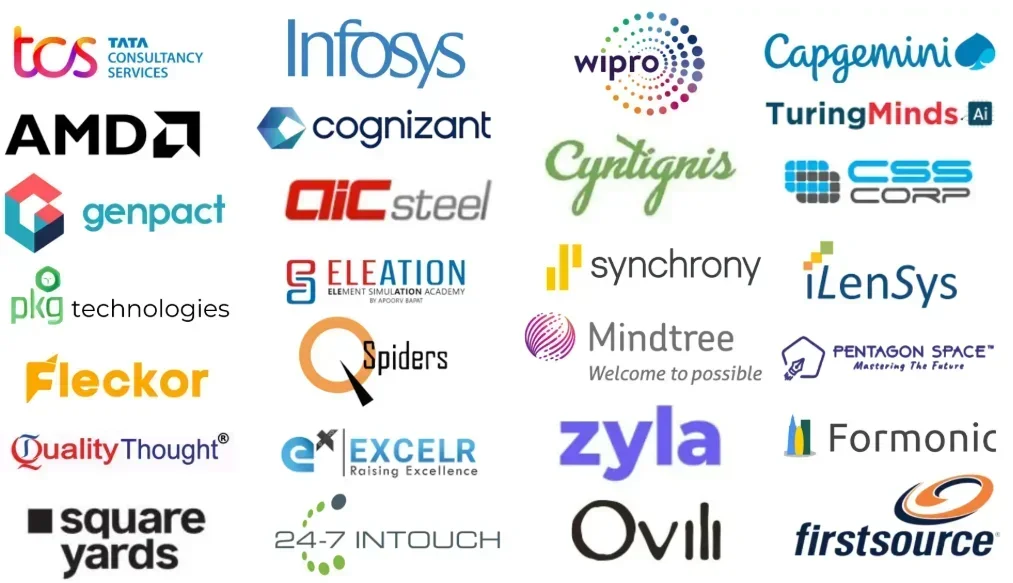
Recruiters span IT services, core engineering, and emerging sectors like data analytics. While multinational corporations participate actively, mid-sized enterprises and startups also contribute to hiring, particularly in software development roles. The college’s urban Hyderabad location provides logistical advantages, facilitating frequent company interactions and on-site visits. Sectoral diversity remains an ongoing focus, with efforts to expand recruiter bases in electronics, telecommunications, and renewable energy.
DCET Career Pathways and Skill Development
- Emerging Opportunities: Beyond traditional IT roles, fields like AI, cybersecurity, and IoT show growing traction in graduate placements. DCET integrates these trends via elective courses and certification programs, encouraging students to align with market needs. Entrepreneurial support, including incubation cells, aids those pursuing startups.
- Core Engineering Prospects: For core branches, opportunities exist in construction, automotive, and public infrastructure projects. Students are encouraged to target sector-specific certifications (e.g., AutoCAD, STAAD.Pro) and government exams (GATE, ESE) to enhance employability. Industry-academia projects such as collaborations with local manufacturing units provide practical exposure.
Deccan College of Engineering and Technology delivers a multifaceted placement experience, combining solid outcomes in high-demand fields with evolving support for core disciplines. While CSE and allied branches benefit from Hyderabad’s tech ecosystem, institutional initiatives aim to uplift all domains through strategic industry partnerships and skill-centric training. For students, proactive engagement with emerging technologies and sector-specific certifications remains pivotal to maximizing placement potential. The college continues to refine its approach, balancing regional opportunities with national engineering employment trends to foster comprehensive graduate success.